
Blog Details
Blog Details
Blog Details
Generative AI vs PointAI's Simulation AI
Generative AI vs PointAI's Simulation AI
Why Simulation AI is New Future for Ecommerce & Enterprises?
Why Simulation AI is New Future for Ecommerce & Enterprises?

In the fast-evolving world of fashion e-commerce, AI powered Virtual Try-on (VTO)
tools promised to solve one of retail's biggest questions:
"Will this actually Fit and look Good on me?"
And yes — Virtual Try-on (VTO) has moved the industry forward.
But here's the Uncomfortable Truth:
Looking Right is different from being Right…
Shoppers real problem is online shopping
Shoppers in 2026 are no longer impressed by “Good-looking” outputs. They are looking for certainty, not just visuals.
What they actually want to know?
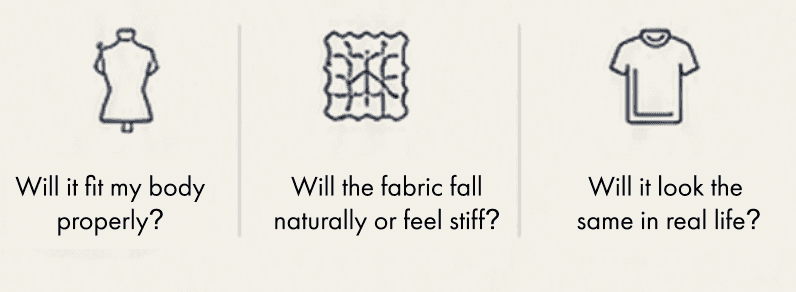
As per McKinsey
This shift is being driven by changing consumer expectations:
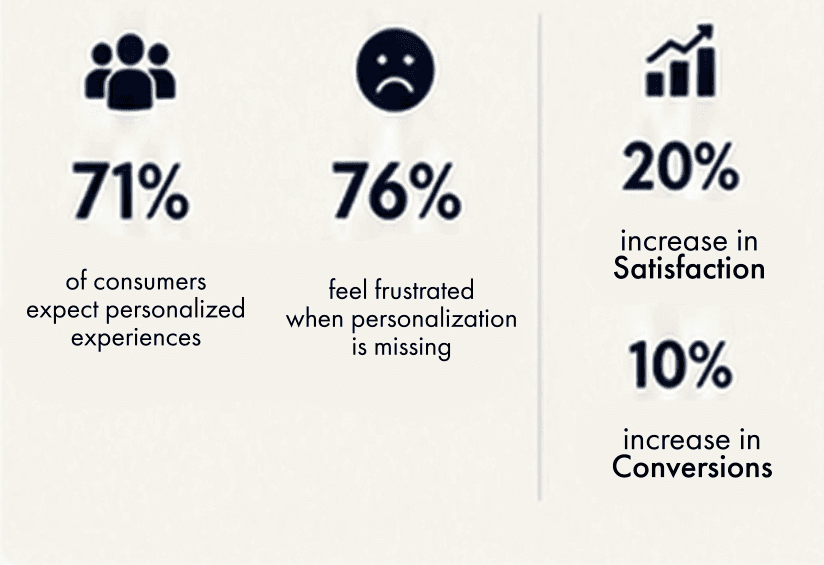

But here's the catch: Personalization with Accuracy is just Decoration
How is E-commerce industry Moving forward?
How is E-commerce industry Moving forward?

The Ecommerce industry is now shifting towards a Hybrid AI approach:
Generative AI for visual appeal Simulation
AI for speed, mix & match, accuracy and realism
What they actually want to know?
That’s why the future lies in combining Visual intelligence with Physical intelligence.
Put simply:
Simulation AI doesn't Generate —
it Simulates.
And that difference separates Visual Experience from Decision confidence.
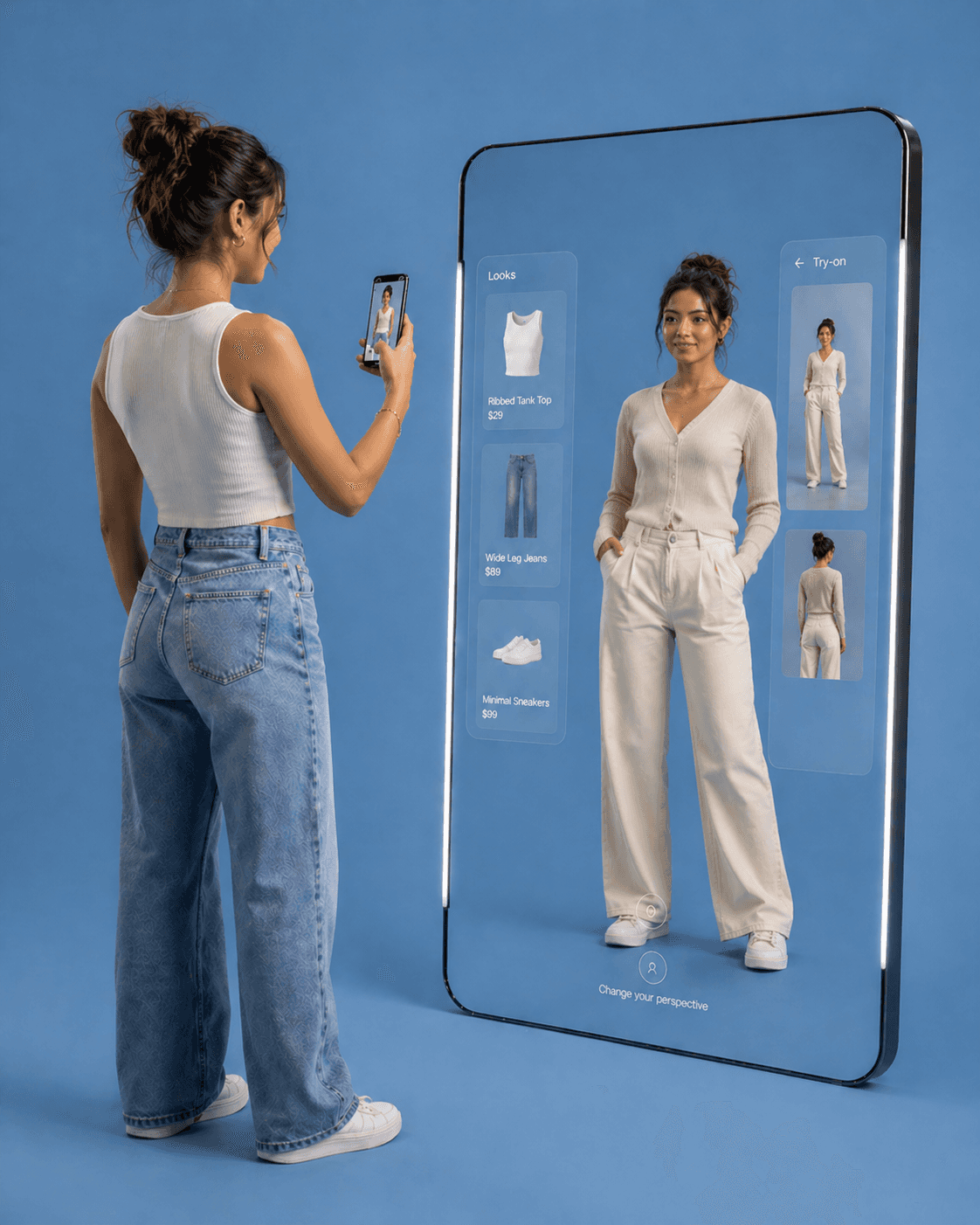
Is Generative AI Really Solving the Problem?
Is Generative AI Really Solving the Problem?
Generative AI has improved how fashion looks online, not how it works. It creates visually appealing outputs, but product may not always be the same.
And when it comes to Speed, Fit, Accuracy, Mix n Match for brands & customers — it falls short.
Here’s the reason why:
While it looks real, it doesn’t always behave real because of how GenAI works, as summarized below:
Learns from images not physical properties — misses actual Fabric texture & Pattern
Guesses Fit instead of calculating it — often shows unrealistic “Perfect” results
Cannot simulate Fabric physics, Stretch, or Movement
Produces largely Static outputs
This leads to a critical issue: The experience looks right—but doesn’t feel right in reality.
In simple terms, it enhances Appearance, not Accuracy.
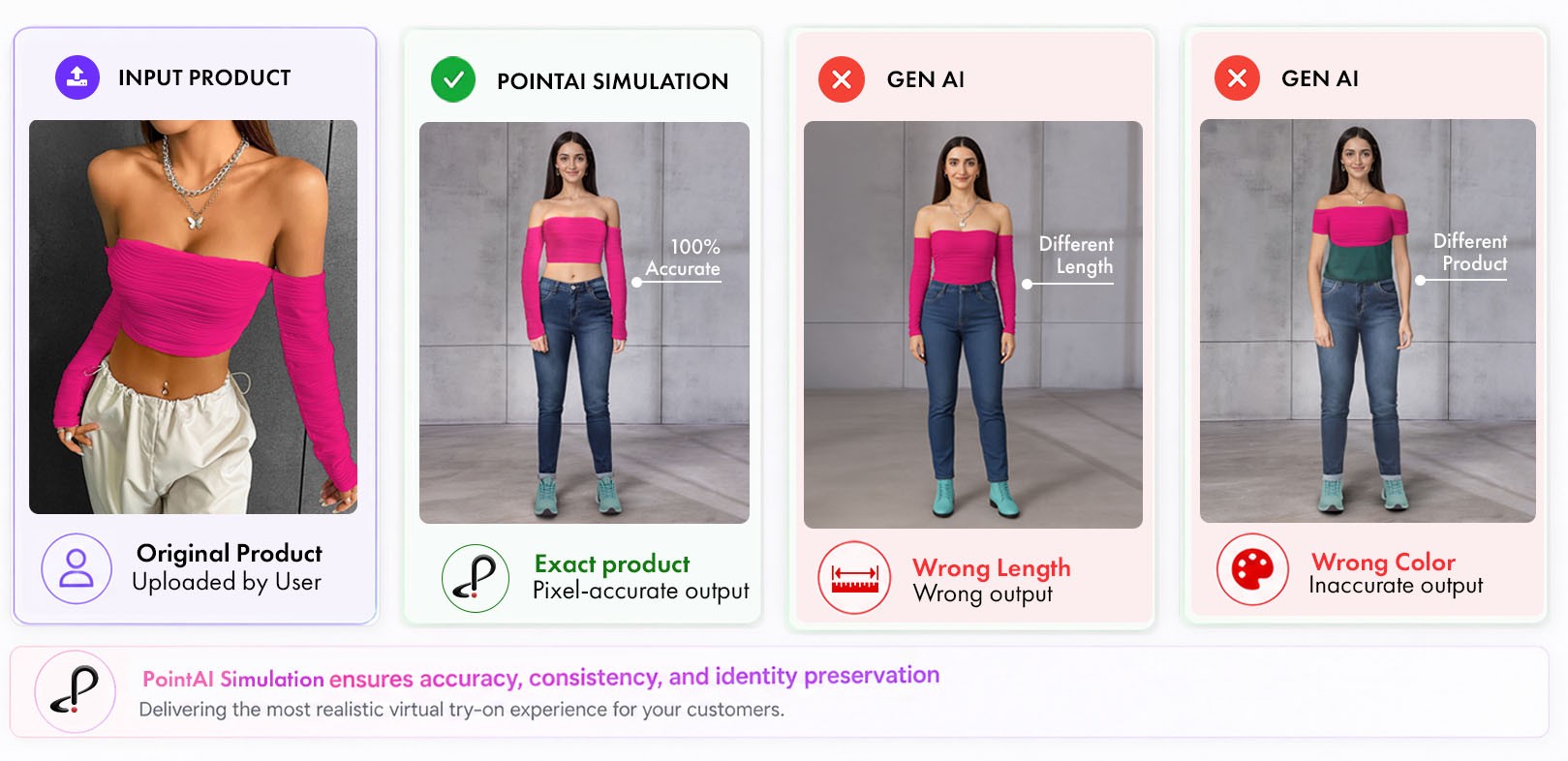
PointAI’s Simulation AI doesn’t recreate Appearances —
it recreates reality.
PointAI’s Simulation AI doesn’t recreate Appearances —
it recreates reality.
Simulation AI takes a fundamentally different approach by recreating the physics of the product.
Every detail is:
Calculated, not guessed
Measured, not estimated
Simulated, not generated
It understands:
Gravity
Fabric tension
Body movement
Real measurements
At PointAI, we go beyond Visuals—blending Photorealism with physics to show not just how a garment looks, but how it truly behaves.
And that’s what transforms online shopping from Uncertainty into Certainty.
To know more about how GenAI and SimulationAI compare on speed, cost, accuracy.


Generative AI vs PointAI's Simulation AI
Why Simulation AI is New Future for Ecommerce & Enterprises?
In the fast-evolving world of fashion e-commerce, AI powered Virtual Try-on (VTO)
tools promised to solve one of retail's biggest questions:
"Will this actually Fit and look Good on me?"
And yes — Virtual Try-on (VTO) has moved the industry forward.
But here's the Uncomfortable Truth:
Looking Right is different from being Right…
Shoppers real problem is online shopping
Shoppers in 2026 are no longer impressed by “Good-looking” outputs. They are looking for certainty, not just visuals.
What they actually want to know?
As per McKinsey
This shift is being driven by changing consumer expectations:
But here's the catch: Personalization with Accuracy is just Decoration
How is E-commerce industry Moving forward?
The Ecommerce industry is now shifting towards a Hybrid AI approach:
Generative AI for visual appeal Simulation
AI for speed, mix & match, accuracy and realism
What they actually want to know?
That’s why the future lies in combining Visual intelligence with Physical intelligence.
Put simply:
Simulation AI doesn't Generate —
it Simulates.
And that difference separates Visual Experience from Decision confidence.
Is Generative AI Really Solving the Problem?
Generative AI has improved how fashion looks online, not how it works. It creates visually appealing outputs, but product may not always be the same.
And when it comes to Speed, Fit, Accuracy, Mix n Match for brands & customers — it falls short.
Here’s the reason why:
While it looks real, it doesn’t always behave real because of how GenAI works, as summarized below:
Learns from images not physical properties — misses actual Fabric texture & Pattern
Guesses Fit instead of calculating it — often shows unrealistic “Perfect” results
Cannot simulate Fabric physics, Stretch, or Movement
Produces largely Static outputs
This leads to a critical issue: The experience looks right—but doesn’t feel right in reality.
In simple terms, it enhances Appearance, not Accuracy.
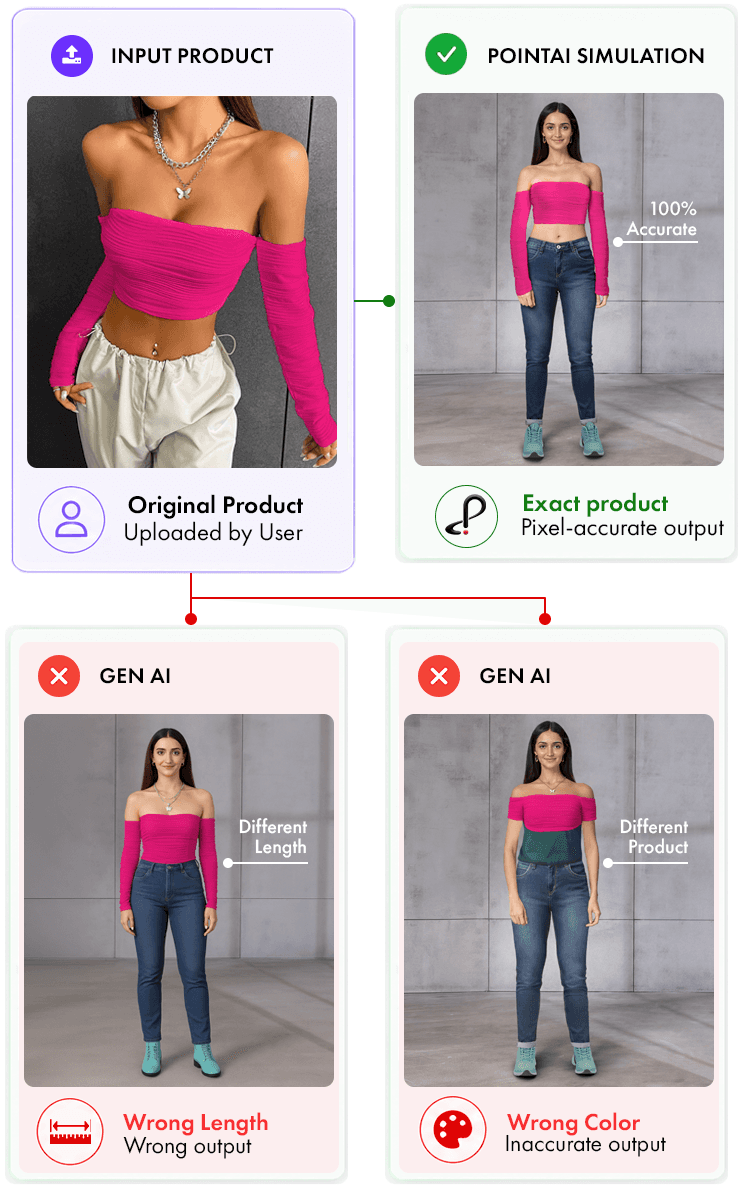
PointAI’s Simulation AI doesn’t recreate Appearances —
it recreates reality.
Simulation AI takes a fundamentally different approach by recreating the physics of the product.
Every detail is:
Calculated, not guessed
Measured, not estimated
Simulated, not generated
It understands:
Gravity
Fabric tension
Body movement
Real measurements
At PointAI, we go beyond Visuals—blending Photorealism with physics to show not just how a garment looks, but how it truly behaves.
And that’s what transforms online shopping from Uncertainty into Certainty.
To know more about how GenAI and SimulationAI compare on speed, cost, accuracy.






Get in touch

AI platform for e-commerce to generate media, try-on and AI services
Contact
1614A-B, The Iconic Correnthum
Tower, Sector 62, Opp.
Electronic City Metro
Station, Noida, INDIA 201309
Copyright 2025 PointAI. All rights reserved.
Get in touch
AI platform for e-commerce to generate media, try-on and AI services
Contact
1614A-B, The Iconic Correnthum
Tower, Sector 62, Opp.
Electronic City Metro
Station, Noida, INDIA 201309
Copyright 2025 PointAI. All rights reserved.
AI platform for e-commerce to generate media, try-on and AI services
Contact
1614A-B, The Iconic Correnthum
Tower, Sector 62, Opp.
Electronic City Metro
Station, Noida, INDIA 201309
Copyright 2025 PointAI. All rights reserved.